
Why Old Internet Forums Felt More Human
Enjoying the show? Support it here.
Before social media feeds, algorithms, and endless scrolling, the internet felt different.
Smaller.
Messier.
More personal.
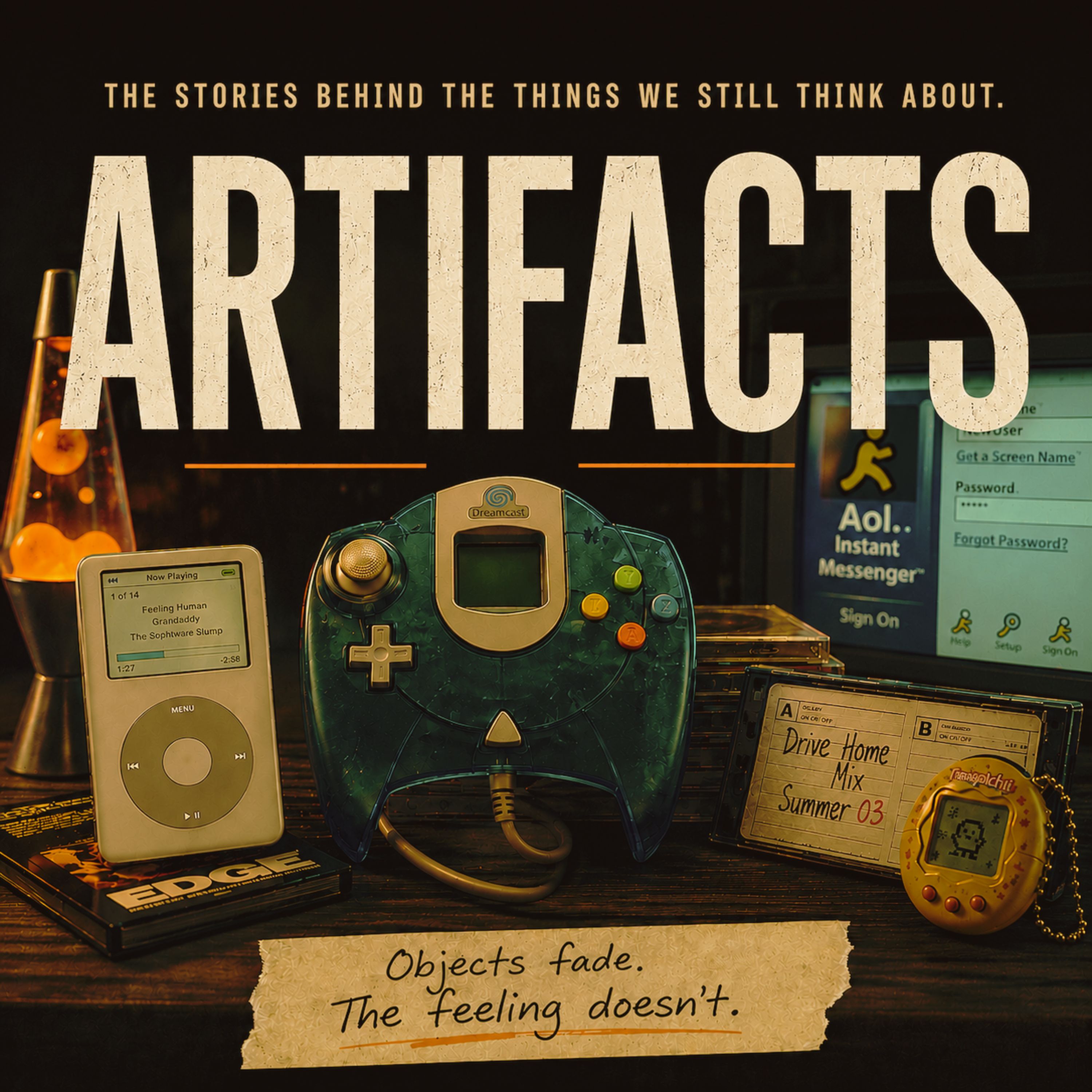
In Episode 2 of Artifacts, Danny Brown explores the strange emotional connection people still have to old internet forums - from recognizable usernames and chaotic communities to forum signatures, inside jokes, and the feeling of belonging to tiny digital neighbourhoods.
Why did these spaces feel so human?
And what did we lose when the internet became optimized for performance, visibility, and engagement instead of connection?
From niche communities and message boards to the emotional texture of the early web, this episode explores why people still miss an internet that was slower, weirder, and more personal.
Because sometimes the objects fade.
But the feeling doesn’t.
Get Involved
If you enjoy Artifacts, you can support it with either a one-off tip, or become a monthly Archivist.
No commitment - just a simple way to say thanks. Show your support here.
If you enjoy the show, I'd love for you to leave a rating or review on your favourite podcast app!
And please let your friends know they can listen for free on Apple Podcasts or their preferred podcast app, or online at Artifacts Podcast.
Products I Use for Artifacts
Note: these may contain affiliate links, so I get a small percentage of any product you buy when using my link.
My equipment:
- RODE NT1-A large diaphragm condenser mic
- Rodecaster Pro II audio production studio
- Sony MDR-7506 Studio Monitor Headphones
- Elgato Wave Mic Arm Low Profile
Recommended resources:
Transcript
Speaker0: I'm Danny Brown, and you're listening to Artifacts, a storytelling podcast about
Speaker:Speaker0: technology, internet culture, media, and the feelings we still attach to them.
Speaker:Speaker0: Because sometimes the objects fade, but the feeling doesn't.
Speaker:Speaker0: There was a time when the internet felt smaller. Not literally,
Speaker:Speaker0: but emotionally. You recognised people online, not creators,
Speaker:Speaker0: not influencers, but people.
Speaker:Speaker0: You knew usernames, avatars, forum signatures.
Speaker:Speaker0: You remembered a person with the terrible spelling but incredible movie recommendations.
Speaker:Speaker0: The moderator who somehow seemed to live online 24 hours a day.
Speaker:Speaker0: The person who had the exact same profile picture for six straight years.
Speaker:Speaker0: Communities felt local back then, even when they were global.
Speaker:Speaker0: And the strange part is, the technology itself was worse. Pages loaded slowly,
Speaker:Speaker0: search functions barely worked, and half the websites looked like they'd been
Speaker:Speaker0: built during a caffeine emergency.
Speaker:Speaker0: And yet somehow, a lot of people still miss that version of the internet.
Speaker:Speaker0: Not because it was more efficient, but because it felt more human.
Speaker:Speaker0: And that says something important about what the modern internet accidentally removed.
Speaker:Speaker0: Before social media feeds took over everything, the internet worked differently.
Speaker:Speaker0: You didn't just endlessly scroll through recommendations, you went looking for
Speaker:Speaker0: things, which meant communities formed around actual obsession,
Speaker:Speaker0: not passive consumption.
Speaker:Speaker0: If you found a forum dedicated to Dreamcast games, obscure horror movies,
Speaker:Speaker0: wrestling, podcasting, synthesizers, cult TV shows, weird computer hardware,
Speaker:Speaker0: it meant everybody there cared enough to intentionally seek it out.
Speaker:Speaker0: And that gave for a very different tone.
Speaker:Speaker0: You weren't trying to go viral. You weren't building a personal brand.
Speaker:Speaker0: You were just a person who really loved a thing.
Speaker:Speaker0: And maybe that sounds small now, but I genuinely think it shaped how people interacted online.
Speaker:Speaker0: Forums felt slower. Conversations lasted days instead of seconds.
Speaker:Speaker0: Threads evolved naturally. And people developed reputations over time.
Speaker:Speaker0: Not follower counts, but reputations.
Speaker:Speaker0: And it was these limitations that helped. There was no infinite scroll,
Speaker:Speaker0: no engagement optimization, no algorithm deciding what mattered most.
Speaker:Speaker0: Just chronological conversations between people who kept showing up.
Speaker:Speaker0: And because forums were usually niche, they developed personalities.
Speaker:Speaker0: Some were chaotic, some were incredibly welcoming And some were absolute disasters,
Speaker:Speaker0: run by moderators on two hours of sleep and pure stubbornness. But they felt alive, messy but alive.
Speaker:Speaker0: One of the things I find fascinating about old forums is how attached people became to usernames.
Speaker:Speaker0: Not real names, but usernames. That was your identity online.
Speaker:Speaker0: And over time, certain usernames became recognisable in a way that feels rare now.
Speaker:Speaker0: You'd see somebody post and immediately think, oh, this person again?
Speaker:Speaker0: Maybe they were funny. Maybe they wrote giant walls of text about video game soundtracks.
Speaker:Speaker0: Maybe they were constantly arguing with everybody, but they became familiar
Speaker:Speaker0: and familiarity creates emotional connection. And that matters because modern
Speaker:Speaker0: social media often creates visibility without familiarity.
Speaker:Speaker0: You can technically know hundreds of creators but still feel emotionally disconnected
Speaker:Speaker0: from almost all of them. But forums created smaller social ecosystems.
Speaker:Speaker0: Repeated interaction mattered more than reach and because people weren't optimizing
Speaker:Speaker0: every post for maximum exposure conversations felt less performative.
Speaker:Speaker0: Instead, people posted badly formatted thoughts, long rambling opinions,
Speaker:Speaker0: personal stories nobody asked for.
Speaker:Speaker0: But that made the internet feel more personal, less polished,
Speaker:Speaker0: less strategic and more human.
Speaker:Speaker0: Even forum signatures became part of people's identities. Tiny quotes,
Speaker:Speaker0: inside jokes, favourite bands, poorly compressed images.
Speaker:Speaker0: Everybody just customizing their little corner of the internet.
Speaker:Speaker0: It wasn't efficient, but it felt personal.
Speaker:Speaker0: And I think people underestimate how much personalisation affects emotional connection.
Speaker:Speaker0: The old internet looked messy because people were allowed to leave fingerprints
Speaker:Speaker0: on it. Now, everything kind of looks the same.
Speaker:Speaker0: Sure, different apps, but same architecture.
Speaker:Speaker0: Same incentives, same performance.
Speaker:Speaker0: That's not to say that I think the old internet was automatically better.
Speaker:Speaker0: Forums could be toxic. Gatekeeping was everywhere.
Speaker:Speaker0: Moderation could be wildly inconsistent. And some communities were genuinely exhausting.
Speaker:Speaker0: But there's a difference between acknowledging flaws and ignoring what got lost.
Speaker:Speaker0: Because somewhere along the way, the internet stopped feeling like places people
Speaker:Speaker0: visited and started feeling like platforms people perform on. And that's a huge shift.
Speaker:Speaker0: Social media collapsed millions of small communities into a handful of giant centralized spaces.
Speaker:Speaker0: And once algorithms became the primary way people experienced internet,
Speaker:Speaker0: behaviour changed. Attention became currency.
Speaker:Speaker0: Visibility became status. everything became measurable.
Speaker:Speaker0: Followers, likes, shares, reach and engagement.
Speaker:Speaker0: Because when human interaction becomes measurable people inevitably start optimizing
Speaker:Speaker0: for numbers instead of connection which is understandable but it does change
Speaker:Speaker0: the emotional texture of being online.
Speaker:Speaker0: Forums on the other hand rewarded presence. Modern platforms reward performance
Speaker:Speaker0: and I think a lot of people feel that difference even if they can't fully explain it.
Speaker:Speaker0: Because old forums often felt like digital neighbourhoods. You saw the same people constantly.
Speaker:Speaker0: Conversations carried history and communities developed lower.
Speaker:Speaker0: People disappeared and others noticed because humans are wired for repeated
Speaker:Speaker0: familiarity and today's internet often feels too large, too fast and too optimised
Speaker:Speaker0: to create that naturally.
Speaker:Speaker0: Old internet forums weren't important because of the technology.
Speaker:Speaker0: Because let's face it, the technology was clunky.
Speaker:Speaker0: Instead, they mattered because they created spaces where people could care about things together.
Speaker:Speaker0: Messily, passionately, repeatedly. And maybe that's a real thing people miss.
Speaker:Speaker0: Not old websites, not avatars, not even forum signatures.
Speaker:Speaker0: But a connection that felt smaller, slower, more intentional and more human.
Speaker:Speaker0: I'm Danny Brown, and this is Artifacts.
Speaker:Speaker0: Thanks for listening to Artifacts. If this episode reminded you of a memory,
Speaker:Speaker0: a feeling, or a piece of the internet you thought had disappeared,
Speaker:Speaker0: you can find more episodes wherever you listen to podcasts or watch the video
Speaker:Speaker0: version on Apple Podcasts, YouTube, and Spotify.
Speaker:Speaker0: And if you'd like to support the show, visit the website for ways to help keep
Speaker:Speaker0: Artifacts alive. Until next time, take care of the things that matter to you, even the small ones.